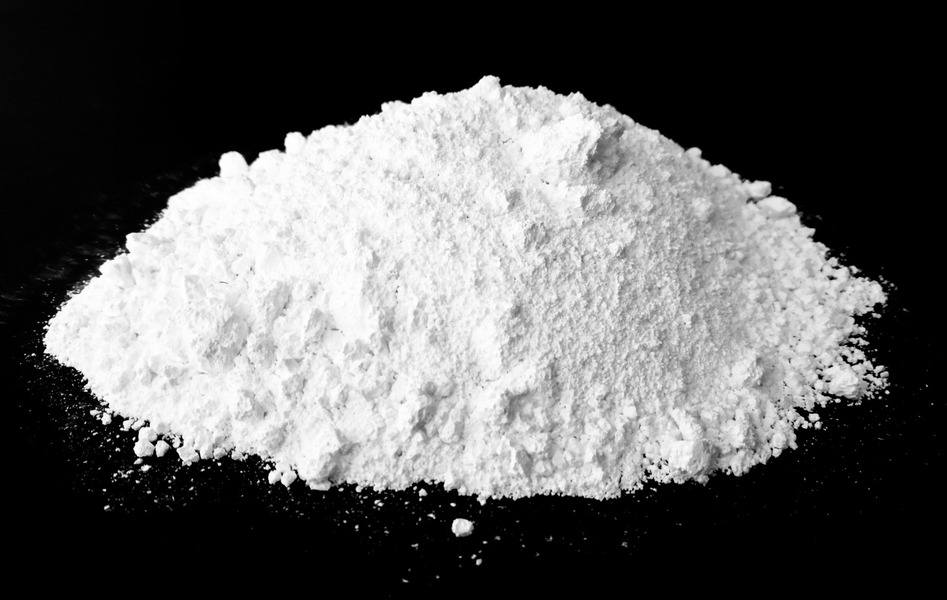
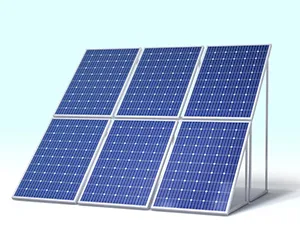
Using calcium carbonate in the manufacture of solar cells
- Home
- CALCIUM CARBONATE
- Using calcium carbonate in the manufacture of solar cells
Using calcium carbonate in the manufacture of solar cells
The role of calcium carbonate (CaCO3) in the manufacture of solar cells:
- Uses of calcium carbonate in the manufacture of solar cells:
- Carrier layer:
- Calcium carbonate can be used as a conducting layer in thin-film solar cells.
- This layer helps transfer electrons from the active layer to the outer layer.
- Anti-reflective layer:
- Calcium carbonate can be used as an anti-reflective layer on the surface of solar cells.
- This layer helps improve light absorption in the active layer.
- Protection layer:
- Calcium carbonate can be used as a protective layer on the surface of solar cells.
- This layer helps protect the cell from weather factors and moisture.
- Benefits of using calcium carbonate in the manufacture of solar cells:
- High effectiveness:
- Calcium carbonate is an effective material in transferring electrons, preventing reflection, and protecting solar cells.
- Low cost:
- Calcium carbonate is a cheap and readily available material, making it an economical choice for making solar cells.
- Ease of use:
- Calcium carbonate can be easily used in the manufacture of solar cells.
- Low environmental impacts:
- Calcium carbonate is a natural, non-toxic substance, making it environmentally friendly.
Also Read DERIVATIVES OF CALCIUM CARBONATE
- Challenges of using calcium carbonate in the solar cell industry:
- Limited stability:
- Calcium carbonate layers may not be stable in the long term, which may degrade the efficiency of the solar cell.
- Low power conversion efficiency:
- Calcium carbonate is not as effective as some other materials used in solar cells at converting solar energy into electricity.
- Calcium carbonate nanocomposites:
- This type of calcium carbonate has better optical and electrical properties than traditional calcium carbonate.
- These materials can be used to improve the efficiency of solar cells.
- Non-mineral organic hybrids containing calcium carbonate:
- These materials have high optical absorption properties and high energy conversion efficiency.
- These materials can be used to improve the efficiency of solar cells and reduce their cost.
- Future challenges for the solar cell industry based on calcium carbonate:
- Improve material stability:
- The stability of calcium carbonate-based materials must be improved to ensure a long lifespan of solar cells.
- Increase energy conversion efficiency:
- More efforts should be made to increase the energy conversion efficiency of calcium carbonate-based solar cells.
- Improve material stability:
- Practical applications of using calcium carbonate in the manufacture of solar cells:
- Thin film solar cells:
- Calcium carbonate is widely used in the manufacture of thin-film solar cells.
- High-concentration solar cells:
- Calcium carbonate can be used in the manufacture of high-concentration solar cells.
- Research and studies on the use of calcium carbonate in the manufacture of solar cells:
- There are many ongoing research and studies on the use of calcium carbonate in the manufacture of solar cells.
- This research aims to develop new materials based on calcium carbonate to improve the efficiency of solar cells.
About the largest company in grinding and producing calcium carbonate Globe Stone Hills
Recent Posts
- Globe Stone Hills: Your Comprehensive Guide to High-Quality Calcium Carbonate Solutions
- The Role of Calcium Carbonate in Soap and Detergent Manufacturing
- Precipitated vs Ground Calcium Carbonate: Key Differences, Uses & Benefits
- Calcium Carbonate Quarries in Egypt | High-Purity White Mineral for Industries
- Difference Between Coated and Uncoated Calcium Carbonate
Latest Posts


Contact the Globe Stone Hills team
Call Anytime
Gallery





-

- default


-

- default




-

- default
-

- default
-

- default